We’re living in a paradox. Tools have never been more powerful, yet the stigma around those who use them has never been stronger.
Lately, I’ve noticed a growing reaction… Whenever someone sees a visual piece created with the help of AI, the assumption is immediate: “It must have taken five minutes. No effort. No soul”
And just like that, its value drops.
Apparently, if you used AI, it doesn’t really count.
When did we stop valuing artistic judgment?
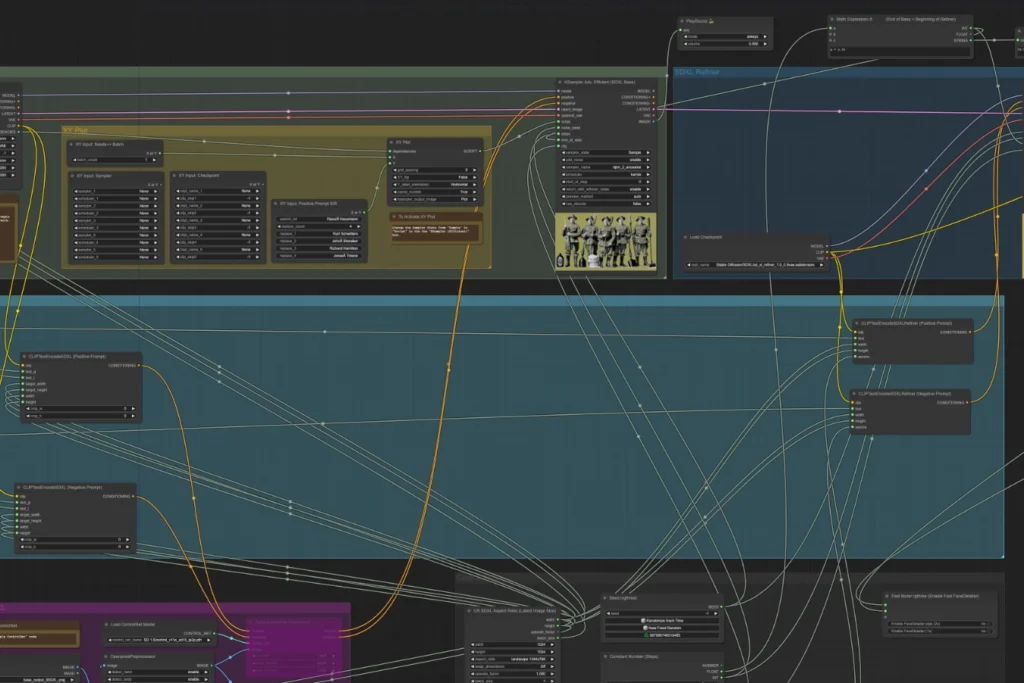
I’m sure you know this: There’s a process behind it. Vision, intent, deliberate choices, experimentation and ongoing calibration. Each node and reroute is intentional. A well built flowgraph feels closer to a neural pathway than a template.
The scariest part isn’t the technical ignorance, as bold as that can be. It’s the way AI tools are being linked to laziness. As if anyone using them is just cutting corners. As if the art is less real.
This isn’t new.
Only the tech has changed.
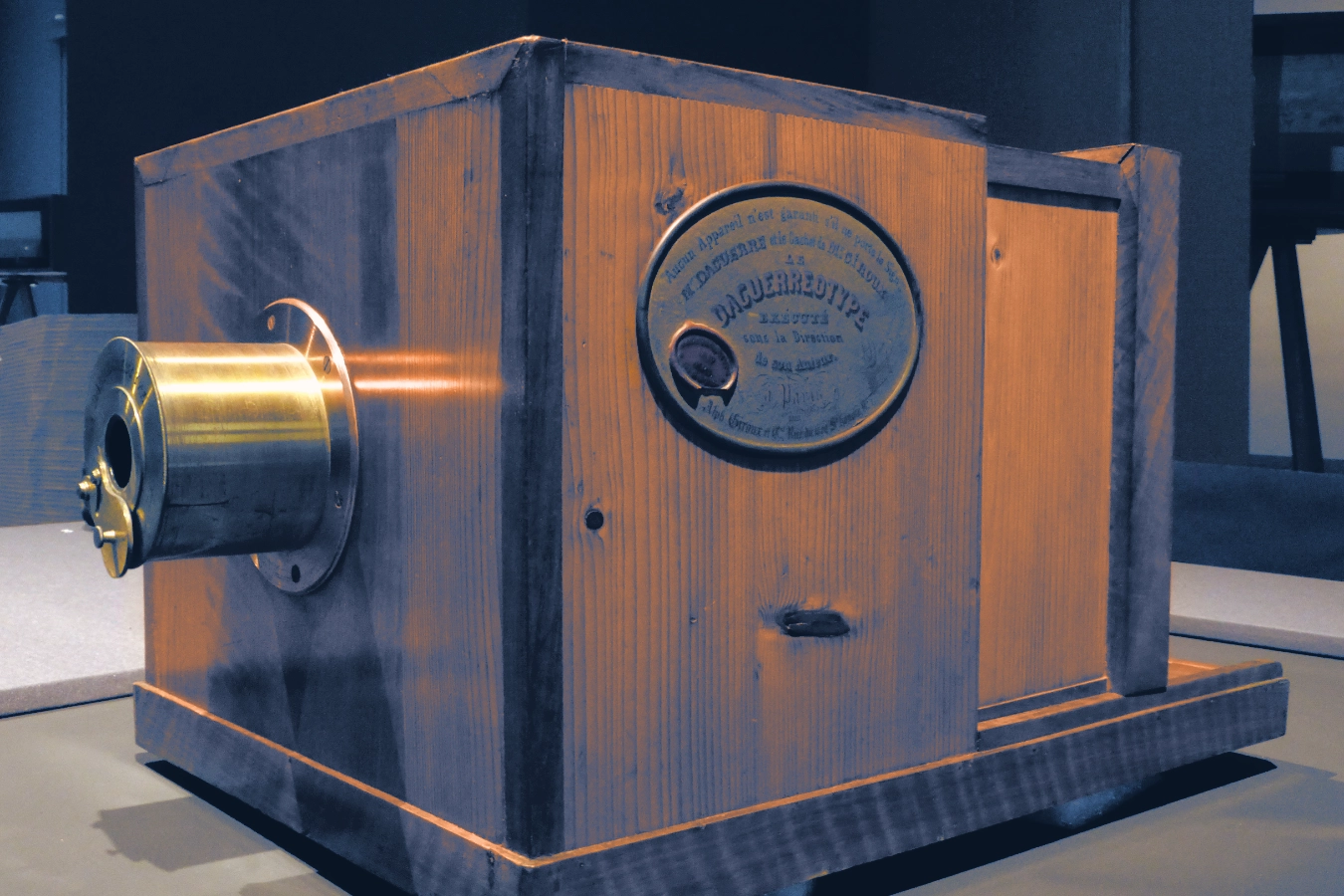
When photography first came around, a lot of traditional painters scoffed at the idea of a “demonic device” that could capture reality in a single shot. No skill, no craft, no effort… or so they said. It “didn’t count” either.
Even these days, a professional photographer shows up with a high-end, really expensive camera and someone inevitably says “Yeah, well, with that gear, anyone can take a great photo.”
Really?
Give that same camera to just anyone without any prior training in photography and see if they understand light, composition, timing, or how to capture a feeling in a single frame, the way a photographer does.
The gear doesn’t make the artist. The technology doesn’t replace the eye.
And we’ve seen this in 3D too
Back in the early Pixar days, using Global Illumination in 3D Softwares was practically considered a SIN! Just because real “discipline” meant placing dozens of lights by hand to simulate bounce lighting, with surgical precision. If you didn’t bleed through a light rig, you weren’t a real artist.
Funny how things change.
Now, if you’re not using Ray Tracing, people look at you like you’re stuck in 2006. But that doesn’t mean the old way is wrong. It means we’ve evolved, and now we choose based on what serves the scene.
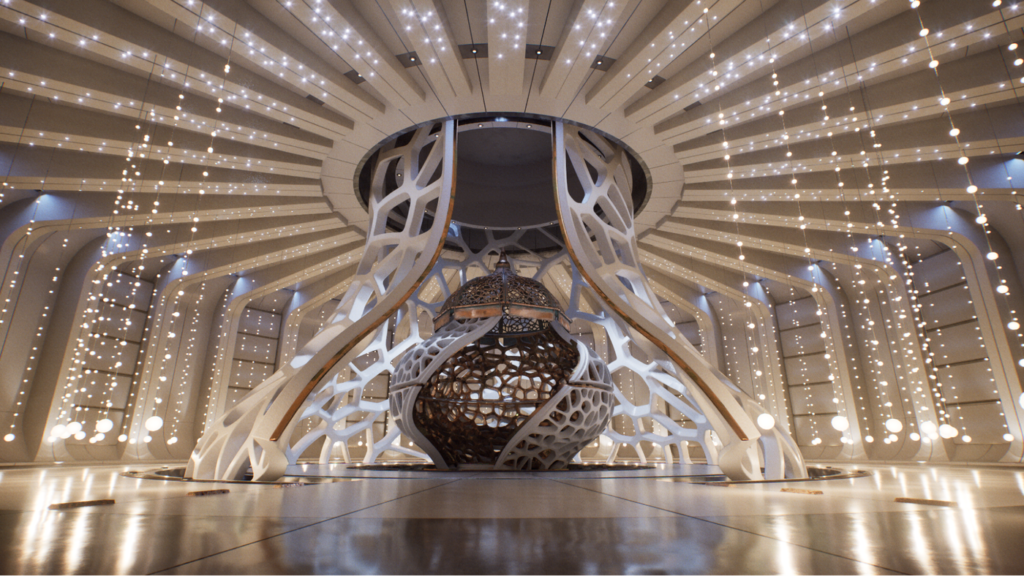
Because here’s the nuance: If you decide to place 27 lights by hand because the story demands it, because the mood asks for that specific crafting of light and shadow, then those 27 lights are necessary. They’re intentional. They’re valid.
What matters isn’t how long it took you, it’s why you did it that way.
And now with AI?
Truth is, I am not afraid of AI taking my job. I am terrified of letting it take the joy out of the parts I love doing by hand. The quiet hours of shaping, the small stubborn decisions, the messy iterations that make the work feel mine.
Speed means nothing without skill. Just because a tool is fast, doesn’t mean it’s easy to master. What really matters is everything that stays invisible:
- The thinking behind the image
- The consistency of the visual language
- The emotional weight it carries
- The narrative it expresses
- The aesthetic you commit to
Sure, AI can generate wild results. But when something feels real, when it hits a nerve. That didn’t come from the trained model. That came from you.
Final thoughts: Talent cannot be automated
It’s easy to judge. It’s much harder to create with intent.
Please don’t get me wrong and let’s be clear about one thing:
Using AI or any other new tool doesn’t make you less of an artist. It makes you an artist of your time.
Yes, I have used AI. But if you think anyone could have done it just by PROMPTing, go ahead. Try it. You’ll find out talent cannot be automated.
What about you?
Have you felt this kind of stigma? Have people ever downplayed your work just because you used new tools?
Drop your thoughts below. This space is also yours.