We’re living in a paradox. Tools have never been more powerful, yet the stigma around those who use them has never been stronger.
Lately, I’ve noticed how people react to digital artwork these days. It’s like they’re constantly questioning if it was made with AI. Sometimes it’s a genuine question, but other times it’s just a confident accusation based on a texture, an unusual detail, or just because the image looks too polished. Some of these guesses are spot on, but others are completely off. The point is, the suspicion no longer just sticks to images that were actually generated. It now follows almost anything artistic enough to trigger it.
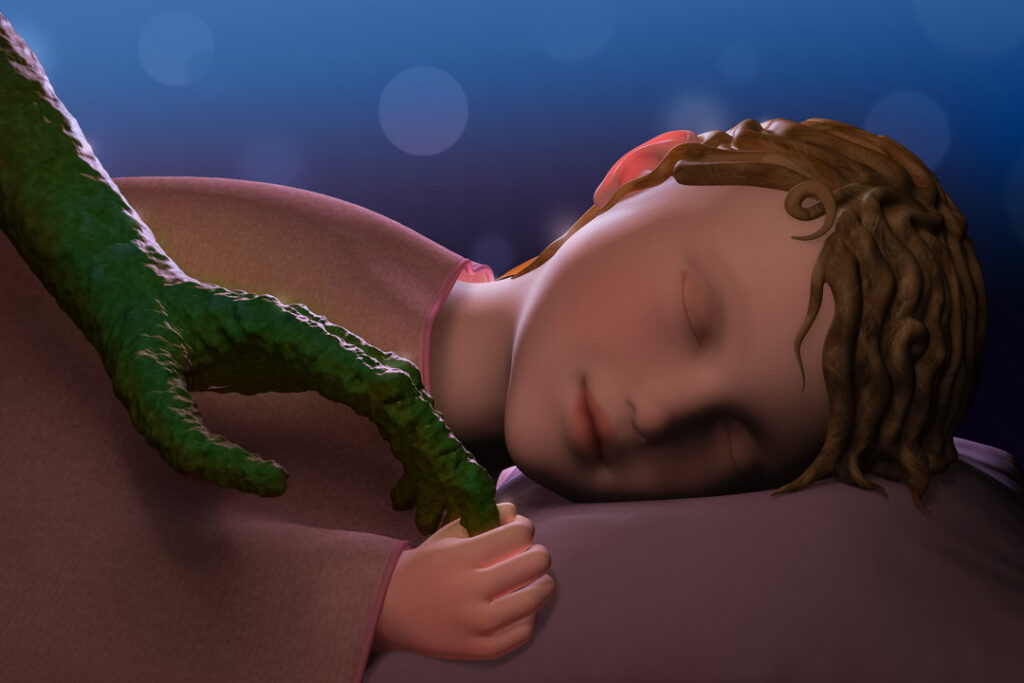
Generative AI has totally changed how we interpret images made without it. Back in the day, a detailed 3D render might have suggested that someone modeled the objects, created the materials, built the lighting, and spent hours trying to make the final image work. We didn’t need to understand the entire pipeline to assume that a process and a skilled person existed behind it. But today, the same image can be mentally reduced to a prompt and a few seconds of waiting. It may have taken the artist weeks, but the process imagined by the viewer lasts almost no time at all.
The image itself hasn’t changed. What’s changed is the story people tell themselves about how it came into existence, and that story affects how much value they assign to whoever made it. Something that looked impressive a moment ago can suddenly feel cheap, disposable, and easy to copy. All the decisions behind start to look accidental because the technology is assumed to have made them.
And just like that, its value drops.
Apparently, if you used AI, it doesn’t really count.
When did we stop valuing artistic judgment?
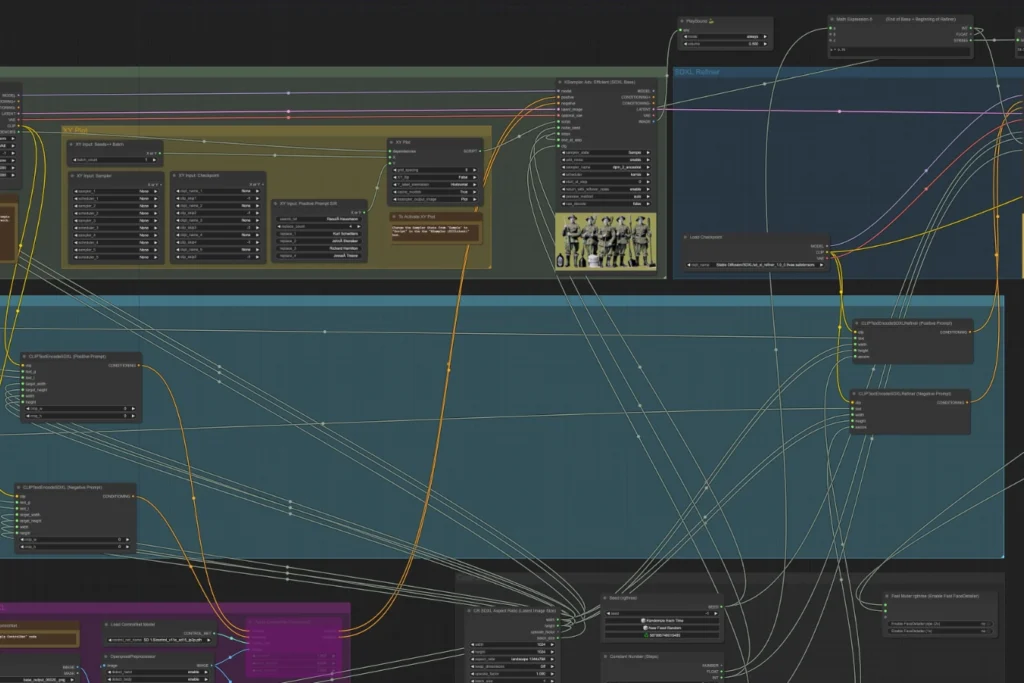
I’m sure you know this: There’s a process behind it. Vision, intent, deliberate choices, experimentation and ongoing calibration. Each node and reroute is intentional. A well built flowgraph feels closer to a neural pathway than a template.
Of course, taking longer to create something doesn’t automatically make it better. I don’t think artists should be valued based on how much they suffered or how many tedious steps they refused to automate. Experience often helps someone work faster, and better tools have always taken away unnecessary work. The problem starts when the idea of instant generation becomes the assumed explanation for every finished image, no matter what process was actually used.
That perception didn’t come from nowhere.
These AI tools are often shown as a way to create professional images with just one prompt and a few seconds of waiting. People see a constant stream of striking results produced quickly and in huge numbers. It’s understandable that this changes their expectations. The result is that those expectations don’t just stay for AI-generated work. They spread to illustration, photography, concept art, CGI and animation, you name it. Once people get used to the idea that impressive images are almost free to make, every artist starts working under the assumption that they have to.
This is where a cheaper way of making some images starts to make every artist look cheaper. A client might see a finished render and wonder why it should take several days or cost more than a subscription. Years of experience can start to look like an unnecessary expense when the final result is compared with the fastest and cheapest method people can think of. The artist is forced to compete against a production process they may not even have used.
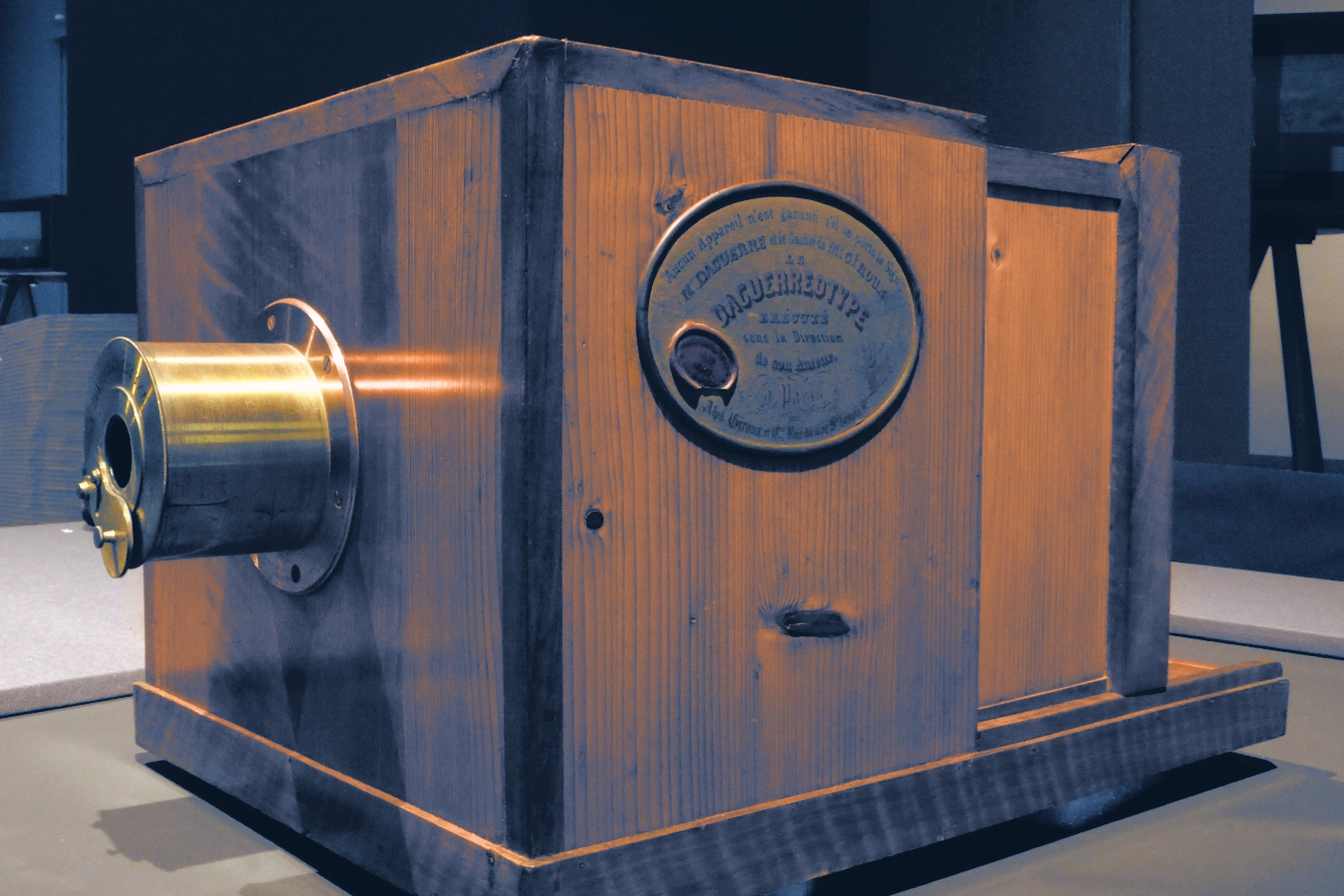
Give a camera to just anyone without any prior training in photography and see if they understand light, composition, timing, or how to capture a feeling in a single frame, the way a photographer does. The gear doesn’t make the artist. The technology doesn’t replace the eye.
And we’ve seen this in 3D too
Back in the early Pixar days, using Global Illumination in 3D Softwares was practically considered a SIN! Just because real “discipline” meant placing dozens of lights by hand to simulate bounce lighting, with surgical precision. If you didn’t bleed through a light rig, you weren’t a real artist.
Funny how things change.
Now, if you’re not using Ray Tracing, people look at you like you’re stuck in 2006. But that doesn’t mean the old way is wrong. It means we’ve evolved, and now we choose based on what serves the scene.
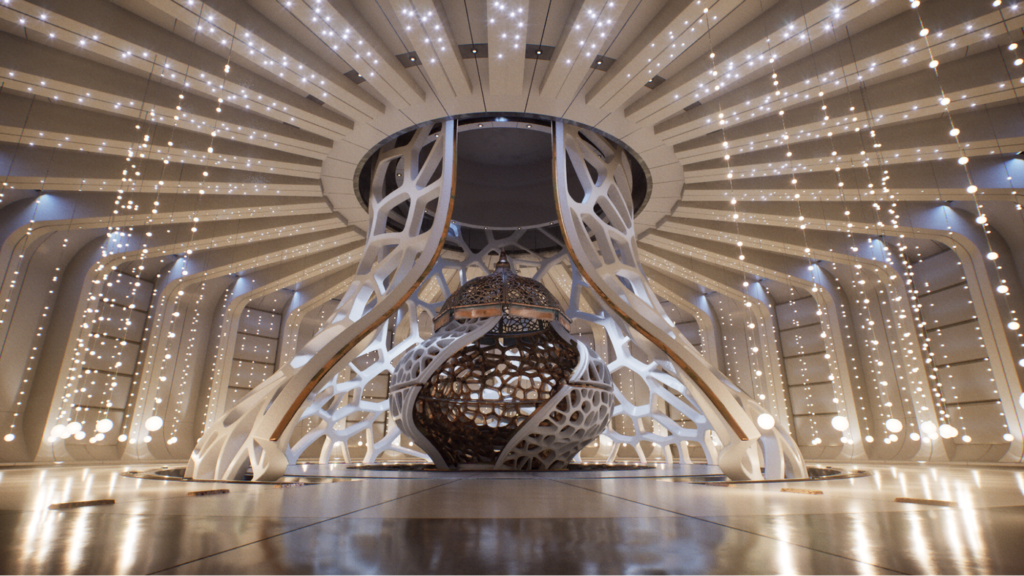
Because here’s the nuance: If you decide to place 27 lights by hand because the story demands it, because the mood asks for that specific crafting of light and shadow, then those 27 lights are necessary. They’re intentional and so they’re valid.
What matters isn’t how long it took you, it’s why you did it that way.
And now with AI?
As a 3D artist, I spend countless hours modeling, sculpting, texturing, lighting, and fixing details that most people won’t even notice. But then, someone takes a quick look at the result, decides it’s probably generated, and reinterprets all that hard work as something the software did automatically. It’s not just a blow to our ego; it changes what people think the work should cost, how quickly it should be delivered, and whether an experienced artist was even needed in the first place.
Truth is, I am not afraid of AI taking my job. I am terrified of letting it take the joy out of the parts I love doing by hand. The quiet hours of shaping, the small stubborn decisions, the messy iterations that make the work feel mine.
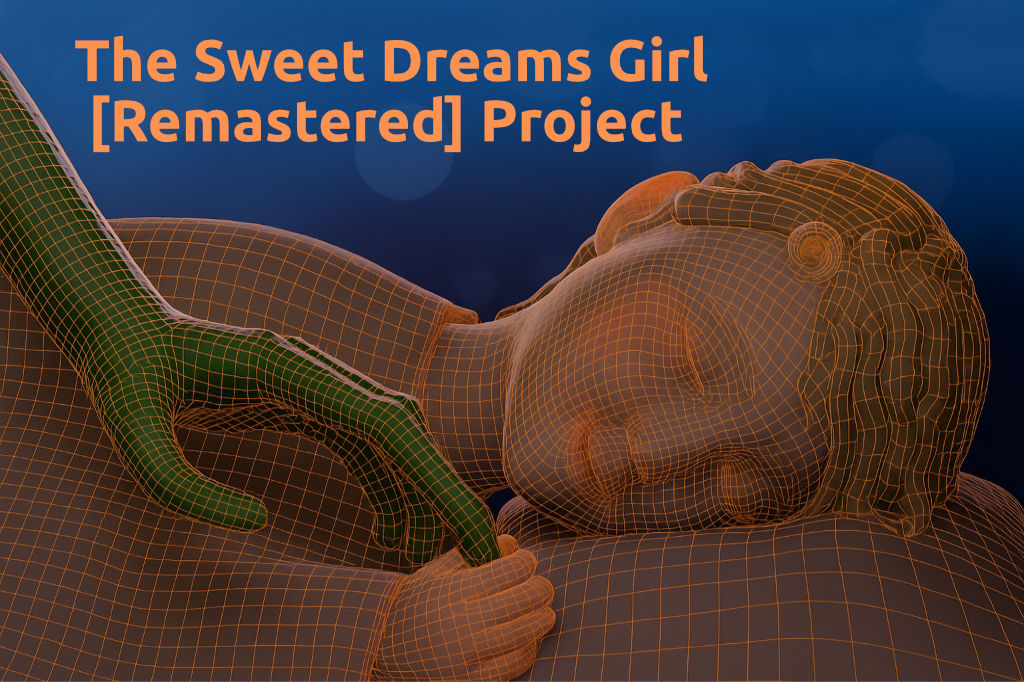
It’s like we’re stuck in a weird position where we have to prove that our work was made. Wireframes, node graphs, layers, and work-in-progress images start feeling less like a cool behind-the-scenes look and more like evidence for our defense. Even then, there’s always the possibility that AI created the concept, generated the textures, or even made the entire video. Once people start doubting everything, proving what happened can become almost as important as showing the work itself.
Final thoughts: Talent cannot be automated
There are real differences between an image generated from a single prompt, a carefully guided hybrid workflow, and a 3D scene built without generative AI. Those differences matter, and we should be honest about them. If we assume the cheapest and quickest way to make something before knowing anything about the work, we’ll evaluate every artist based on the smallest contribution a person could theoretically have made.
Please don’t get me wrong and let’s be clear about one thing:
Generative AI will likely keep making it easier and cheaper to create certain kinds of imagery. But its broader impact is already showing: it’s also lowered the imagined cost of images that it never even touched. The profession could lose value long before artists disappear from the production process.
It’s enough for people to think that whatever artists create should now be easy and cheap.
What about you?
Have you felt this kind of stigma? Have people ever downplayed your work just because you used new tools?
Drop your thoughts below. This space is also yours.